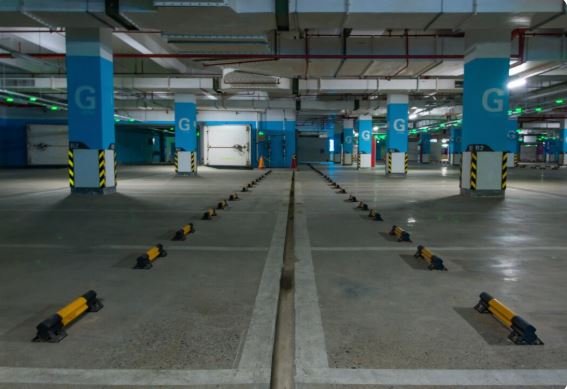
Multi-level parking garages expand vertically rather than outward, allowing them to accommodate large numbers of cars within limited urban space. Because drivers often need to navigate between floors, these buildings use a system of continuous inclined ramps. Heavy-duty concrete pillars support the facility’s weight, and reinforced decks provide stable resting places for the automobiles. Here is some information about how multi-level parking garages work:
Vehicle Entry and Access Systems
Parking lots with multiple levels often allow drivers to enter through secure access points. Entrance lane controls include ticket machines, plate recognition methods, and QR scanners. They record visitor data as vehicles enter the garage and relay it to a central control center, where systems monitor vehicle movement. If you use a parking reservation system, your credentials are also often verified upon exit.
Barrier gates open and close after tickets have been scanned, or cameras identify authorized vehicles. Some facilities offer lane distinctions for different access methods, helping reduce wait times. Instructions for drivers are often posted at points of entry; this facilitates free movement without needing on-site staff. Information from entry protocols integrates with internal systems to make sure occupancy records are accurate.
Garage Structure and Layout
Parking garages provide a convenient place for you to park your vehicle, particularly in urban areas. The facilities include several levels, so they accommodate more vehicles than traditional lots. Wide lanes allow you to navigate easily, and marked spots help you identify spaces for specific vehicle types, such as high-clearance or EVs. Because garages are designed for safety and efficiency, you can drive in and out smoothly even during peak hours.
Inclined ramps connect each level, promoting smooth vehicle movement throughout the building. Skylights, large windows, or open-air levels allow natural light to filter into the garage; this helps improve overall visibility. Clearly marked driving lanes direct traffic through the garage, helping drivers move efficiently and locate open parking spaces more quickly.
Support columns are positioned along the edges of driving lanes to maintain clear vehicle paths, while signage directs drivers through the garage. Durable flooring materials are also used to withstand constant vehicle traffic, and in-built drainage systems help control water runoff. These features help keep the environment clean and functional. This allows the facility to operate for longer periods without frequent maintenance interruptions.
Automated Parking Management Systems
Garages may leverage technology to improve operational efficiency. This allows for the automatic management of parking areas, vehicle entry, and transfers. Sensors embedded in the pavement send notifications to real-time signage that displays space availability, so you know if you can park before entering the garage. Some facilities also integrate digital passes, monthly accounts for frequent users, and automatic credit card payments. These allow you to make transactions and book parking before arrival, decreasing the time you must spend in a queue. Automated ticket scanners also enable you to enter and exit the facility smoothly without visiting an attendant.
Digital monitoring systems support both security and maintenance operations. By installing cameras throughout the facility, management can observe activity on all garage levels and identify abnormalities or potential hazards. Automated alerts often notify staff of malfunctions, such as failures in a payment-accepting kiosk or lighting systems, allowing technicians to respond quickly. This helps verify that key systems remain operational and reduces service disruptions.
Maintenance and Safety Protocols
Regular inspections reveal wear on floors, beams, ramps, and mechanical systems, and addressing these issues helps maintain safety and reliability. Facility staff may also monitor activity in the garage and resolve minor issues, such as blocked pathways, to confirm efficient access to elevators and stairways. Routine cleaning and maintenance of lighting and ventilation systems help keep the facility well-lit and comfortable for drivers. Staff members should receive ongoing training to respond appropriately to operational issues and assist visitors as needed. These protocols help the parking facility operate efficiently while providing a reliable experience for visitors.
Explore Parking Garages Near You
Multi-level parking garages organize vehicle movement, parking areas, and access points within a single structure. While structural frameworks support vertical capacity, coordinated access controls how drivers move through each level. The technology implemented by multi-level parking garages automates processes such as access and payment. Book a parking garage space today.