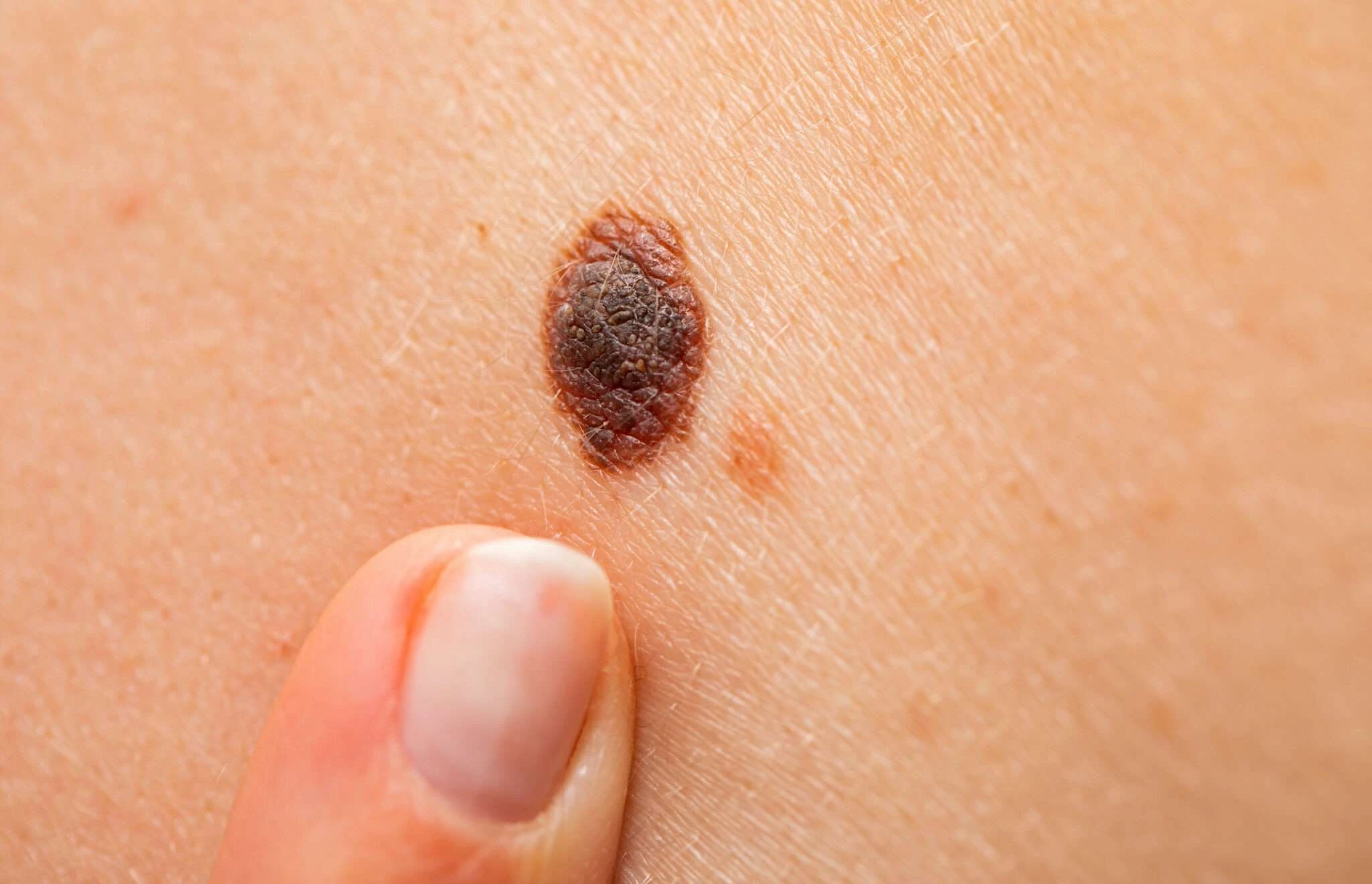
Family health discussions have evolved over the years. What once centered around diet, exercise, and annual doctor appointments now increasingly includes conversations about preventive care and early detection. Among these growing priorities, many households are beginning to talk more openly about skin health and the importance of regular screenings. In places with high sun exposure, such as Australia, awareness around skin cancer checks brisbane has become a practical and necessary part of routine healthcare planning.
As families become more informed about the long-term impact of sun damage, reminders about checking unusual moles or scheduling dermatology appointments are no longer uncommon. These conversations are helping create healthier habits across generations and encouraging people to take proactive steps before problems become serious.
Why Skin Health Is Becoming a Family Topic
Health awareness today spreads quickly through families. Parents encourage children to wear sunscreen, adult siblings remind each other about suspicious skin spots, and older relatives share personal experiences about treatments or diagnoses. This collective awareness has made skin monitoring a normal subject in many homes.
Australia’s climate plays a significant role in this shift. Prolonged sun exposure throughout the year increases the risk of skin damage, making regular observation essential. Families who have witnessed skin-related conditions firsthand are often more likely to encourage routine checks for everyone in the household.
These discussions are no longer driven by fear alone. They are becoming part of a preventive health culture focused on staying informed and acting early.
The Growing Importance of Early Detection
One reason skin examinations are receiving more attention is the effectiveness of catching abnormalities early. Many forms of skin cancer can be treated successfully when identified in their initial stages. Early detection reduces complications, lowers treatment intensity, and improves outcomes significantly.
Families often play a critical role in noticing changes that individuals overlook themselves. A partner may spot an unusual mole on someone’s back, or a parent might notice skin changes during everyday activities. These small observations frequently lead to medical appointments that could make a substantial difference.
Regular reminders from loved ones can also encourage people who tend to delay healthcare visits to prioritize their wellbeing.
Common Signs Families Are Learning to Watch For
As awareness improves, more people are becoming familiar with warning signs that deserve professional attention. These may include:
- Moles changing in size, color, or shape
- Spots that itch, bleed, or fail to heal
- New growths appearing unexpectedly
- Rough or scaly patches that persist
- Unusual pigmentation changes
Understanding these signs does not replace professional evaluation, but it helps families become more attentive and responsive.
How Conversations Around Prevention Are Changing
Preventive healthcare is increasingly viewed as a shared responsibility rather than an individual task. Family calendars now include reminders for dental visits, vaccinations, eye exams, and skin assessments alongside other appointments.
Technology has also contributed to this cultural shift. Educational campaigns, health apps, and online medical resources make information more accessible than ever before. Social media discussions about sun safety and skin awareness further reinforce the importance of routine checks.
Children raised in households where skin protection is discussed regularly often develop stronger lifelong habits. Wearing hats, applying sunscreen, and avoiding excessive sun exposure become normalized behaviors instead of occasional precautions.
Building Better Sun Safety Habits at Home
Families that discuss skin health openly are often more consistent with preventive measures. Small daily routines can have a long-term impact on reducing sun-related damage.
Practical Habits That Support Skin Protection
Prioritizing Sunscreen Use
Applying sunscreen before outdoor activities should become as routine as carrying water or wearing shoes. Broad-spectrum protection with adequate SPF helps reduce harmful UV exposure.
Encouraging Protective Clothing
Wide-brimmed hats, sunglasses, and lightweight long sleeves offer additional defense during peak sunlight hours.
Scheduling Routine Skin Checks
Professional assessments provide reassurance and expert evaluation that self-checks alone cannot offer. Consistent appointments help identify subtle changes over time.
Teaching Children Early
Children who learn about UV safety from a young age are more likely to continue those habits into adulthood.
The Emotional Side of Family Health Discussions
Health conversations can sometimes feel uncomfortable, especially when they involve concerns about cancer or medical uncertainty. However, open communication often reduces anxiety rather than increasing it.
When family members discuss preventive care calmly and regularly, skin checks become viewed as a standard wellness activity instead of something alarming. This mindset encourages more people to stay proactive without fear or avoidance.
Supportive conversations also help remove stigma around seeking medical advice. Instead of dismissing concerns or delaying appointments, families can create environments where health awareness feels encouraged and practical.
Why Australians Are Taking Skin Awareness More Seriously
Australia has one of the highest rates of skin cancer globally, making education and prevention especially important. Increased public health campaigns and medical outreach programs have contributed to broader awareness nationwide.
People are now more conscious of cumulative sun exposure from daily activities, not just beach visits or outdoor sports. Gardening, driving, walking, and working outdoors all contribute to long-term skin damage over time.
As a result, conversations about routine monitoring are becoming increasingly common across all age groups.
Turning Awareness Into Long-Term Action
Awareness alone is not enough unless it leads to consistent action. Families who prioritize skin health often benefit from setting reminders, encouraging annual appointments, and staying attentive to visible changes.
Creating a culture of preventive care at home helps normalize responsible health management. Over time, these habits can contribute to earlier diagnoses, reduced health risks, and greater peace of mind for everyone involved.
The growing inclusion of skin check reminders in family health conversations reflects a broader understanding of preventive wellness. Rather than waiting for symptoms to become severe, more people are choosing to stay informed, observant, and proactive.
As these discussions continue becoming part of everyday life, they reinforce an important message: caring for skin health is not just an individual concern — it is something families can support together for generations to come.