Music has always been more than just sound. It is a universal language that allows people to express emotions, ideas, and identities in ways that words alone often cannot. Whether through singing, playing instruments, or simply listening, music gives individuals a voice that feels personal, honest, and deeply meaningful.
In today’s fast-moving world, where people are constantly connected yet sometimes feel unheard, music has become one of the most powerful tools for self-expression. It helps people share their stories, process emotions, and connect with others on a deeper level.
The Emotional Power of Music
One of the main reasons music is such a strong form of self-expression is its ability to capture emotions.
Expressing Feelings Without Words
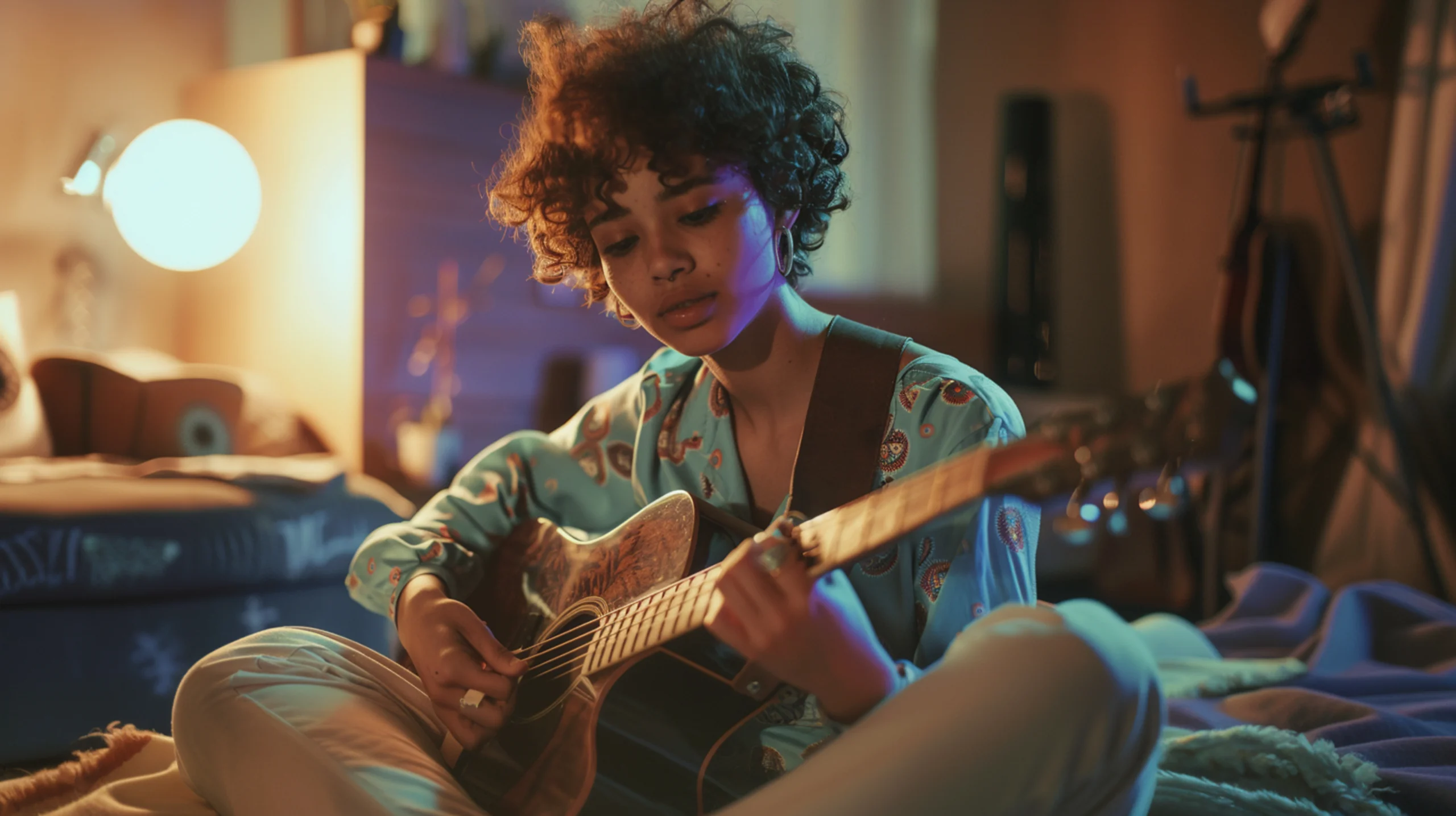
Not everyone finds it easy to talk about their emotions. Music provides an alternative way to express feelings like happiness, sadness, anger, or love. A melody or rhythm can communicate what someone might struggle to say out loud.
A Safe Emotional Outlet
Music creates a safe space where individuals can release emotions without fear of judgment. Writing lyrics, composing tunes, or even choosing certain songs to listen to can be a way of processing inner thoughts.
Music Reflects Identity
Music is closely tied to personal identity. The genres, artists, and songs a person connects with often reflect who they are.
Personal Taste as Identity
People often define themselves by their musical preferences. Whether someone enjoys classical music, hip-hop, rock, or electronic sounds, these choices reflect their personality and lifestyle.
Cultural and Social Expression
Music also represents cultural backgrounds and social experiences. It allows individuals to celebrate their heritage and share their unique perspectives with the world.
Creativity and Freedom in Music
Music offers a level of creative freedom that is difficult to find in other forms of expression.
No Rules, Only Expression
Unlike many structured forms of communication, music does not have strict rules. Artists can experiment with sounds, lyrics, and styles to create something truly unique.
Innovation in Modern Music
With new technology, music creation has become more accessible. People can now produce high-quality music from their homes, explore different genres, and experiment with new ideas without limitations.
Music as a Tool for Connection
Music connects people in ways that few other things can.
Shared Experiences
Listening to the same song or attending a live performance creates shared emotional experiences. These moments bring people together, even if they come from different backgrounds.
Digital Communities
Today, music communities are growing online. Fans and creators interact, share ideas, and discover new sounds every day. In some corners of the internet, such as spaces inspired by madeonverse com spotify, listeners gather around specific styles and artists, forming strong and meaningful connections.
Healing Through Music
Music is often used as a form of healing and therapy.
Reducing Stress and Anxiety
Listening to calming music can help reduce stress levels and improve overall mental well-being. It allows the mind to relax and shift focus away from negative thoughts.
Supporting Mental Health
Many people turn to music during difficult times. Songs that reflect personal struggles can provide comfort and remind individuals that they are not alone.
Music Tells Stories
Every piece of music tells a story, whether it is personal or universal.
Storytelling Through Lyrics
Lyrics allow artists to share their experiences, beliefs, and emotions. These stories often resonate with listeners who have gone through similar situations.
Instrumental Storytelling
Even without words, music can tell a story. The arrangement of sounds, changes in tempo, and use of instruments can create a narrative that listeners can interpret in their own way.
The Role of Technology in Self-Expression
Technology has changed how people create and share music.
Easy Access to Music Creation Tools
Modern tools allow anyone to create music, regardless of their background or experience. This has opened the door for more people to express themselves creatively.
Reaching a Global Audience
Music can now reach audiences worldwide within seconds. This allows artists to share their voice with a larger audience and connect with people across different cultures.
In evolving digital spaces such as Micronavdisha, conversations around music, creativity, and personal expression continue to grow, reflecting how deeply music is integrated into modern life.
Music Builds Confidence
Creating or performing music can boost self-confidence.
Overcoming Fear
Sharing music with others requires courage. Over time, this process helps individuals become more confident in expressing themselves.
Personal Growth
Music encourages self-discovery. As people explore different styles and ideas, they learn more about themselves and their abilities.
Music as a Lifelong Companion
Music stays with people throughout their lives, adapting to different stages and experiences.
Evolving Tastes
As people grow, their musical preferences often change. This reflects their evolving thoughts, emotions, and perspectives.
Memories and Moments
Certain songs are linked to specific memories. Hearing those songs again can bring back emotions and experiences from the past, making music a powerful part of personal history.
Why Music Matters More Than Ever Today
In today’s digital age, where communication is often fast and surface-level, music provides depth and meaning.
People are looking for ways to express themselves authentically, and music offers that opportunity. It allows individuals to slow down, reflect, and connect with their inner selves.
At the same time, music brings people together. It creates communities, inspires creativity, and fosters understanding across cultures.
Final Thoughts
Music is a powerful form of self-expression because it goes beyond words. It allows people to share emotions, tell stories, and connect with others in meaningful ways. Whether through creating, performing, or listening, music provides a unique space where individuals can truly be themselves.
As technology continues to evolve and access to music becomes even easier, its role in self-expression will only grow stronger. For many, music is not just entertainment—it is a voice, a connection, and a reflection of who they are.
If you’re looking for a way to express yourself more freely, music might be the most powerful tool you already have.