Introduction
Healthcare in 2026 is undergoing one of the most significant transformations in modern history. What once required long hospital visits, manual record-keeping, and delayed diagnoses is now shifting toward faster, smarter, and more personalized systems. Technology is no longer just supporting healthcare; it is actively reshaping how doctors diagnose, treat, and monitor patients.
Patients today expect convenience, accuracy, and real-time solutions. Hospitals and clinics are responding with advanced digital systems, artificial intelligence tools, wearable devices, and remote care platforms. The result is a healthcare ecosystem that is more connected, efficient, and patient-centered than ever before.
This transformation is not just about machines or software. It is about improving human life, reducing medical errors, and making healthcare accessible to people regardless of location. As we move deeper into this new era, understanding these changes is essential for both patients and healthcare professionals.
AI-Driven Diagnostics and Smarter Decision Making
Artificial intelligence is becoming one of the most powerful forces in modern medicine. In 2026, AI systems are helping doctors detect diseases earlier, often before symptoms become severe. These tools analyze medical images, lab results, and patient histories within seconds, offering highly accurate insights.
AI is especially useful in areas like radiology, cardiology, and oncology. It can detect patterns in scans that may be too subtle for the human eye. This does not replace doctors but supports them in making faster and more reliable decisions.
A growing number of hospitals are now integrating intelligent diagnostic platforms into daily workflows. One emerging ecosystem, webbizmagnet, highlights how digital transformation is reshaping medical efficiency by connecting data-driven tools with real-world healthcare needs.
At the same time, advanced AI frameworks such as AioTechnical are improving predictive accuracy in early disease detection, helping reduce the risk of late-stage diagnoses and improving patient outcomes.
Telemedicine and the Rise of Remote Healthcare
Telemedicine has moved from being a convenience to becoming a core part of healthcare systems. In 2026, patients can consult doctors without physically visiting clinics, reducing waiting times and improving access to specialists.
Video consultations, AI-assisted chat systems, and remote monitoring tools are now widely used. This is especially important for people in rural or underserved regions where access to healthcare facilities is limited.
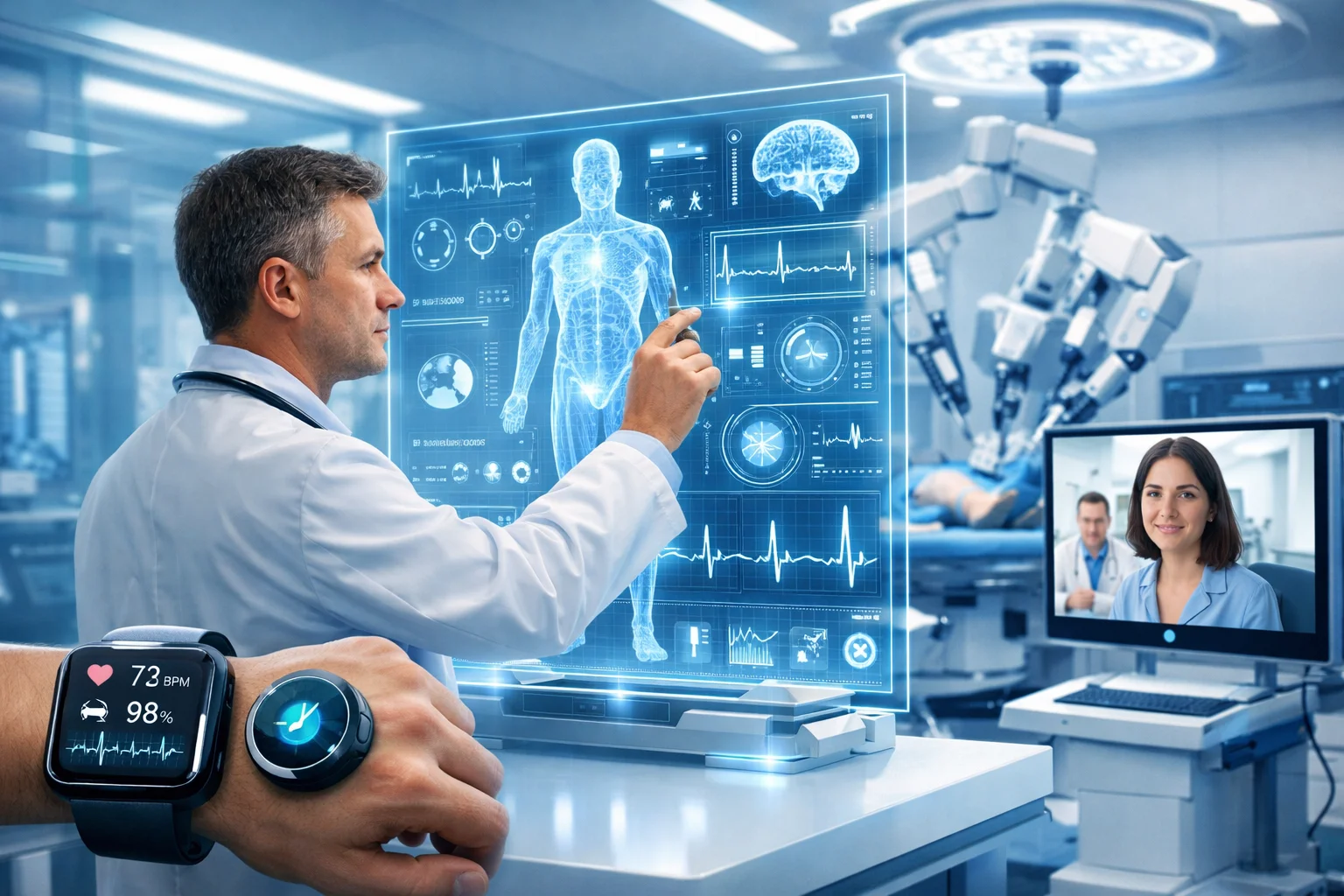
Doctors can now track patient recovery from home using connected devices that send real-time updates. This approach not only saves time but also reduces hospital congestion and operational pressure on healthcare staff.
Remote healthcare has also improved mental health services, allowing individuals to seek support more privately and comfortably. As connectivity improves, telemedicine is expected to become even more seamless and integrated into daily life.
Wearable Technology and Continuous Health Monitoring
Wearable devices have become a major part of personal healthcare management. Smartwatches, fitness bands, and health trackers now go beyond counting steps. They continuously monitor heart rate, oxygen levels, sleep quality, and even stress indicators.
In 2026, these devices are more advanced and accurate than ever. They can detect irregular heart rhythms and send alerts before a condition becomes serious. This real-time monitoring allows users to take preventive action instead of waiting for symptoms to worsen.
Doctors also benefit from wearable data, as it provides a more complete picture of a patient’s daily health patterns. This helps in creating personalized treatment plans based on real-world behavior rather than occasional checkups.
The integration of wearable technology into healthcare systems is making preventive medicine more practical and widely adopted.
Robotics and Precision in Modern Surgery
Robotic-assisted surgery is redefining precision in medical procedures. Surgeons now use advanced robotic systems to perform complex operations with greater accuracy and minimal invasiveness.
These systems reduce human error and allow for smaller incisions, leading to faster recovery times and less post-surgery discomfort. In many hospitals, robotic tools are now assisting in orthopedic, cardiac, and neurological procedures.
The role of technology in surgery is not replacing human expertise but enhancing it. Surgeons remain in control while robotics provide enhanced precision and stability.
As robotic systems continue to evolve, surgical outcomes are expected to become safer and more efficient, even for highly complex conditions.
Data-Driven Healthcare and Predictive Medicine
One of the most powerful shifts in 2026 healthcare is the use of data analytics. Hospitals and health systems are now collecting vast amounts of patient data to predict health risks before they occur.
Predictive medicine uses historical data, lifestyle patterns, and genetic information to identify potential health issues early. This allows doctors to recommend preventive treatments rather than reactive ones.
For example, patterns in blood pressure, diet, and physical activity can help identify individuals at risk of chronic conditions. Early intervention can significantly reduce long-term complications.
Healthcare providers are increasingly using integrated digital platforms to organize and analyze this data efficiently, making treatment more proactive and personalized.
Challenges in a Digitally Connected Healthcare System
While technology is improving healthcare in many ways, it also brings new challenges. Data privacy is one of the most critical concerns. With so much personal health information stored digitally, protecting it from unauthorized access is essential.
Another challenge is the digital divide. Not all patients have equal access to advanced healthcare technologies, especially in remote or low-income areas. This can create inequality in treatment quality.
There is also the issue of over-reliance on technology. While digital tools are powerful, human judgment remains essential in medical decision-making. Balancing technology with human expertise is necessary for safe and effective healthcare.
The Future Outlook of Healthcare Innovation
The future of healthcare is moving toward a fully connected ecosystem where technology, data, and human expertise work together seamlessly. Hospitals of the future will likely rely more on automation, real-time analytics, and AI-powered support systems.
Patients will experience more personalized care, faster diagnosis, and improved treatment accuracy. Preventive healthcare will become the standard, reducing the burden of chronic diseases globally.
As innovation continues, healthcare will become more accessible, efficient, and patient-focused. The combination of intelligent systems and medical expertise is shaping a future where quality healthcare is no longer limited by location or resources.
Conclusion
Healthcare in 2026 is not just evolving; it is being redefined. Technology is making medical systems faster, smarter, and more responsive to patient needs. From AI-driven diagnostics to wearable monitoring and robotic surgery, every advancement is aimed at improving human life.
The integration of digital intelligence into healthcare is creating a future where prevention is prioritized, treatment is personalized, and care is more accessible than ever before. As these innovations continue to develop, they will play a crucial role in shaping a healthier and more connected world.