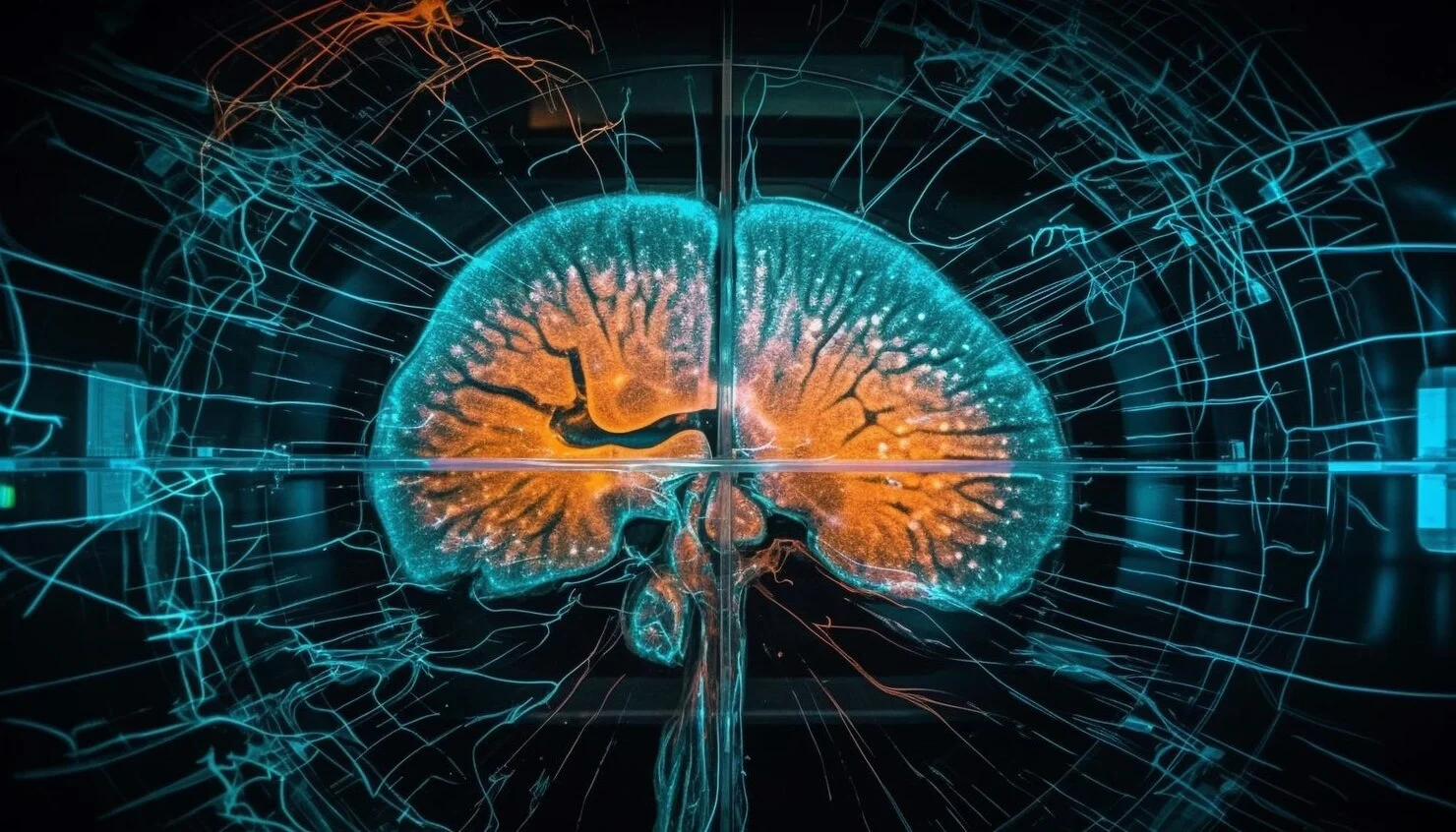
Something happens to a person. It might be a single catastrophic event or years of chronic stress. Afterward, the world feels different. Sounds trigger panic. Sleep becomes an obstacle course. Ordinary situations carry a weight they never used to carry. What is actually happening inside the body and brain during all of this, and why does recovery sometimes take so long? Those are the questions worth sitting with.
This article walks through the neuroscience of trauma, explains why standard talk therapy alone can fall short, and outlines the evidence-based approaches that researchers and clinicians currently regard as most effective. Whether you are trying to understand your own experience or support someone you care about, the science here is worth knowing.
What Trauma Actually Does to the Brain
The word trauma gets used loosely, but its biological effects are specific. When the brain perceives a serious threat, the amygdala, which is the brain’s alarm system, fires rapidly and triggers a cascade of stress hormones including cortisol and adrenaline. Heart rate climbs. Muscles tense. The prefrontal cortex, responsible for rational thought and emotional regulation, gets essentially sidelined. The body shifts into survival mode.
This is a healthy, adaptive response in the moment. The problem comes when the threat ends but the nervous system keeps acting as though it has not. Research using neuroimaging has shown that people with post-traumatic stress disorder (PTSD) display measurable differences in amygdala reactivity compared to people without the condition. The amygdala becomes hyperactive, while the prefrontal cortex shows reduced activity during trauma-related stimuli. The brain has essentially been rewired around the memory of danger.
A 2017 study published in the journal Neuroscience and Biobehavioral Reviews found that chronic trauma exposure is associated with structural changes in the hippocampus, the region involved in memory consolidation. This helps explain one of trauma’s most disorienting symptoms: the sense that a past event is happening right now. The memory has not been processed and filed away the way ordinary memories are. It remains vivid, fragmented, and emotionally charged.
The Body Keeps Score, Not Just the Mind
One of the most significant shifts in trauma research over the past two decades has been the recognition that trauma is a whole-body experience. Psychiatrist Bessel van der Kolk, whose 2014 book brought this idea to a wide audience, documented how traumatic stress becomes encoded in physical sensation and posture, not just in conscious thought. People carry tension in the shoulders, the jaw, the gut. Breathing patterns change. The autonomic nervous system, which governs heart rate, digestion, and the body’s arousal levels, can remain in a state of chronic dysregulation long after the original event.
This has practical implications for treatment. Approaches that focus exclusively on reframing thoughts may miss a large portion of where trauma actually lives. The body needs to be part of the recovery process, and that understanding has shaped how many clinicians now design treatment plans.
Common Symptoms Across Trauma Types
Trauma presents differently depending on the person, the nature of the events, and the presence of support systems. That said, certain clusters of symptoms appear across many presentations.
| Symptom Category | Common Examples |
| Re-experiencing | Flashbacks, intrusive memories, nightmares, emotional flooding when triggered |
| Avoidance | Steering clear of people, places, or thoughts associated with the trauma |
| Hyperarousal | Difficulty sleeping, exaggerated startle response, constant vigilance, irritability |
| Negative cognition | Persistent shame or guilt, distorted self-blame, loss of trust in others |
| Dissociation | Feeling detached from oneself, emotional numbness, gaps in memory |
The Diagnostic and Statistical Manual of Mental Disorders (DSM-5) distinguishes between acute stress disorder, PTSD, and complex PTSD, a concept more fully recognized in the ICD-11 for people who experienced prolonged or repeated trauma. Complex PTSD often includes significant difficulties with emotional regulation and self-perception that go beyond the classic PTSD criteria.
Evidence-Based Approaches to Trauma Recovery
Not every therapy works equally well for trauma, and the research on this point is reasonably clear. A few approaches have accumulated substantial evidence.
Cognitive Processing Therapy and Prolonged Exposure
Cognitive Processing Therapy (CPT) and Prolonged Exposure (PE) are both recommended as first-line treatments for PTSD by the American Psychological Association and the Department of Veterans Affairs. CPT works by identifying and challenging what researchers call stuck points: distorted beliefs that formed around the trauma, such as “It was my fault” or “The world is completely unsafe.” PE works through careful, structured exposure to trauma-related memories and situations to reduce the fear response over time.
EMDR
Eye Movement Desensitization and Reprocessing (EMDR) has gained considerable traction since its development by Francine Shapiro in the late 1980s. The World Health Organization included it in its 2013 guidelines for PTSD treatment. EMDR uses bilateral stimulation, most commonly eye movements, while the person holds a traumatic memory in mind. The exact mechanism is still debated, but the clinical outcomes across randomized controlled trials have been consistently positive.
Somatic and Body-Based Therapies
Given what is known about how trauma is stored in the body, somatic approaches have grown in clinical use. Somatic Experiencing, developed by Peter Levine, focuses on completing the defensive responses that were interrupted during a traumatic event. Sensorimotor psychotherapy takes a similar approach, integrating movement and body awareness into talk therapy. These methods are often used alongside other evidence-based treatments rather than as standalone replacements.
Why the Treatment Setting Matters as Much as the Technique
Even the most well-researched therapy can produce poor outcomes in the wrong environment. Trauma recovery requires a baseline of safety. When a person feels judged, rushed, or unheard, the nervous system stays in a defensive state, and therapeutic processing becomes much harder. This is one reason why the principles that guide trauma informed treatment have become central to clinical training, not just in mental health settings but in primary care, social work, and crisis response as well.
A trauma-informed environment operates on several key principles. It prioritizes physical and emotional safety. It builds trust through transparency and consistency. It emphasizes collaboration between client and clinician rather than a top-down expert model. It recognizes that many behaviors that might look like resistance or non-compliance are actually adaptations to past harm. The clinician’s role shifts from asking “What is wrong with you?” to asking “What happened to you?”
Factors That Support Long-Term Recovery
Recovery from trauma is not linear. Progress is real even when it does not feel that way. Research consistently identifies a handful of factors that are associated with better long-term outcomes.
- Social support: Having at least one trusted relationship is one of the strongest predictors of recovery. Isolation tends to maintain and worsen symptoms.
- Therapeutic alliance: Across therapy modalities, the quality of the relationship between client and therapist accounts for a significant portion of treatment outcomes.
- Stability: Addressing basic safety, housing, and financial stress alongside psychological treatment improves results. Trauma processing is much harder when a person is in active crisis.
- Self-regulation skills: Learning to recognize and manage physiological arousal, through breathwork, grounding techniques, or mindfulness, gives people tools between sessions.
- Reduced substance use: Many people use alcohol or other substances to manage trauma symptoms. Addressing this directly, ideally in an integrated way, supports more durable recovery.
- Time and pacing: Trauma treatment that moves too quickly can re-traumatize rather than heal. Phased approaches that build capacity before processing traumatic material tend to produce better outcomes.
The National Center for PTSD, housed within the Department of Veterans Affairs, estimates that about 70 percent of adults in the United States experience at least one traumatic event in their lifetimes, with roughly 20 percent of those individuals going on to develop PTSD. These numbers make trauma one of the most common mental health concerns clinicians encounter, and they underscore why understanding it well matters beyond any single specialty.
Recovery is possible. The brain is more plastic than scientists believed even thirty years ago. Symptoms that have been present for years can shift with the right support, the right approach, and enough time. Understanding the biology and the evidence behind treatment options is one step toward making better decisions, whether for yourself or for someone in your life who is trying to find their way through.