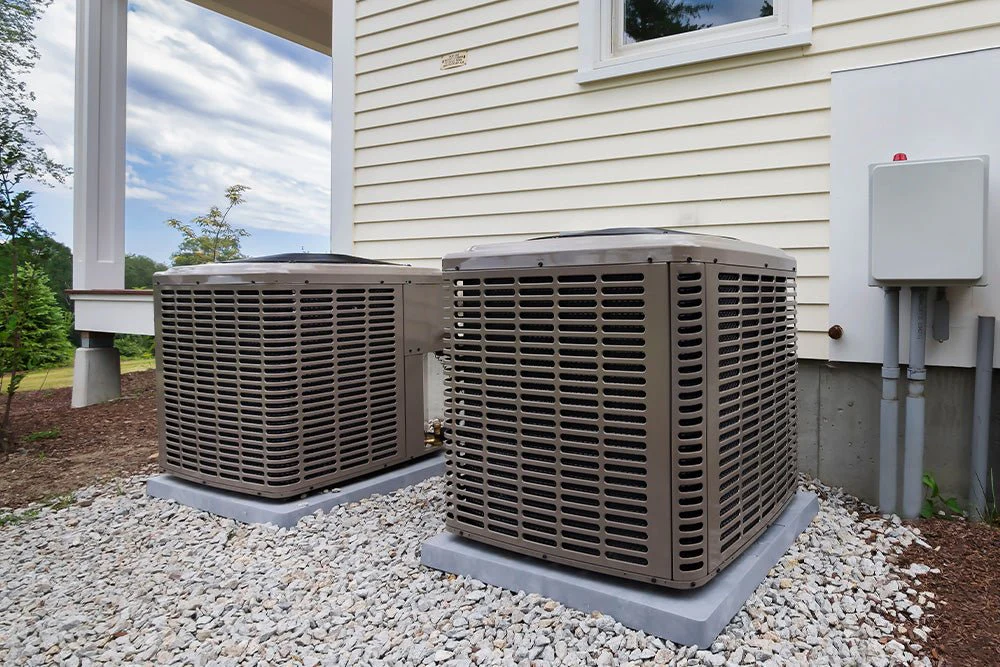
An HVAC system regulates temperature and circulates air to maintain a comfortable indoor environment year-round. A central split system integrates heating and cooling units to distribute conditioned air through a network of ducts. Here is more information on the role of a heating and cooling system in your home:
Circulating Fresh Air
Installing a modern air purification unit helps sanitize the air circulating throughout your home, giving you clean air to breath. While basic filtration captures large dirt and debris, advanced sanitization technology kills microscopic organisms that bypass standard barriers. Since dirt buildup compromises your indoor environment, active purification is needed to keep the living space clean.
When homeowners upgrade their traditional systems, they can integrate specialized ionization units or UV light purifiers. These advanced purification devices sanitize the air by destroying contaminants as they pass through the system, including invisible ones. Technicians install these add-on units directly to your equipment; the specialized setup neutralizes airborne dangers. Consistent maintenance services support long-term air sanitization by keeping your internal machinery hygienic.
Generating Indoor Warmth
An HVAC system provides consistent indoor temperatures to keep you warm during the winter. Residential spaces can be heated through furnaces and heat pumps. A heat pump brings the warmth from the outdoor air to heat your home without burning fuel. Some systems rely on a gas supply with a pilot flame to generate heat. When this heated air reaches the correct temperature, blower motors push it through your ductwork to eliminate cold drafts.
During installation, professionals select a properly sized heating unit to maintain a steady baseline temperature across all living zones. Heating equipment delivers balanced thermal output that interfaces with your household thermostat. Proper configuration prevents short-cycling, which may leave specific rooms unheated. Modern energy-rated heating upgrades utilize advanced staging to deliver even, predictable warmth.
Providing Seasonal Cooling
Air conditioning systems provide seasonal cooling to keep your residential space comfortable during warm summer months. Heat pumps provide heating and cooling from a single unit. In cooling mode, these systems move heat from indoors to outdoors. Installing a ductless mini-split system allows you to control the temperature in a specific room without impacting other areas.
These individual indoor units connect to a single outdoor compressor, delivering customized cooling where needed. Cooling equipment manages energy consumption while running during peak summer hours. Professionals configure the air conditioning system to optimize energy use and install modern units with advanced, energy-efficient designs to handle heavy cooling loads. Property owners who utilize these cooling systems stabilize their electricity usage and provide continuous summer cooling for their households.
Adding Indoor Moisture
Indoor air conditioning systems add moisture to the air to protect your living space from excessively dry conditions. Integrating specific climate upgrades lets you control relative humidity directly. Maintaining a precise moisture baseline prevents airborne viruses and bacteria from thriving and multiplying. Specialized products can target dry zones to prevent environmental extremes inside the household.
A contractor configures these integrated add-on features to establish an equilibrium that stops the issues associated with dry winter air. Maintaining a balanced moisture level keeps your home within a safe operating range. While excessively damp conditions can damage your property, striking a balance prevents harmful substances from spreading. An air conditioning system also manages indoor moisture through the following:
-
Preventing surface condensation
-
Regulating relative humidity
-
Controlling moisture levels
Managing Household Odors
Air conditioners manage household odors to improve indoor air quality. While a standard unit only handles basic cooling, a specialized fresh-air ventilation system is used to target foul odors. Ventilation equipment allows your home to exhale stale air. The constant cycle removes the airborne contaminants that carry foul smells. Professionals install custom ventilation features to draw in clean outdoor air to dilute the odor molecules.
Successful odor management prevents the accumulation of trapped pollutants in your living space. If a home lacks an active ventilation system, volatile organic compounds remain sealed inside the structure.
Learn More About an HVAC Unit
When installing an air conditioning system, professionals check existing ducts for air leaks and seal structural gaps before they install a new unit tailored to your home. They install separate lines to manage thermal energy and moisture in the household. Contact a reputable HVAC company to learn more about their services.