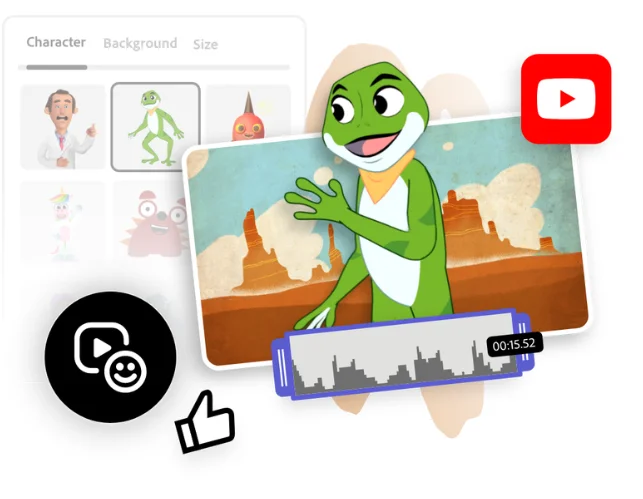
In an era where our attention spans are shorter than ever, the way we share ideas has had to evolve. We are no longer just competing with other businesses or creators; we are competing with a constant stream of notifications, endless scrolls, and the general noise of a digital world. Static images and blocks of text, while still foundational, often struggle to break through that noise. Motion, however, has a unique psychological pull. It mimics the way we perceive the world, drawing the eye and holding interest in a way that a still frame simply cannot.
The transition from static to dynamic content used to be a hurdle reserved for those with deep pockets or years of technical training. Thankfully, the democratization of creative tools has changed the landscape entirely. Whether you are a small business owner looking to spice up your social media presence or an educator trying to make a complex concept more digestible, using a free animation maker allows you to bridge the gap between a simple idea and a professional-grade presentation. By removing the technical barriers to entry, the focus shifts back to where it belongs: the story you are trying to tell.
Why Motion Matters in a Distracted World
When we see something move, our brains are hardwired to pay attention. This is an evolutionary trait, an ancient survival mechanism that once helped us spot movement in the brush, now repurposed for digital marketing and storytelling. In a professional context, this translates to higher engagement rates, better information retention, and a stronger emotional connection with your audience.
Think about the last time you scrolled through a LinkedIn or Instagram feed. You likely bypassed several well-designed posters, but you probably paused for the video that started playing automatically. Animation allows you to control the pace of information. You can highlight specific data points, lead the viewer’s eye to a call to action, and inject personality into your brand through character movement and fluid transitions.
Breaking Down the Animation Process
Many people shy away from animation because they imagine a complex timeline filled with keyframes and mathematical expressions. While high-end cinema-grade animation does involve those things, everyday content creation doesn’t have to. The modern approach to animation is modular and intuitive.
1. The Concept and Storyboard
Before you touch any software, you need a plan. What is the one thing you want your viewer to feel or do after watching? Sketch out a rough sequence of events. If you’re promoting a sale, the sequence might be: Problem -> Solution (Your Product) -> Discount Code. Visualizing this flow prevents the animation from feeling cluttered or aimless.
2. Character and Asset Selection
Your visual style speaks volumes about your brand. Are you going for a sleek, minimalist corporate look with geometric shapes? Or a warm, hand-drawn feel that suggests approachable authenticity? Choosing the right “actors” for your story—whether they are literal characters or icons—sets the tone for the entire piece.
3. Timing and Pacing
The secret to “professional-looking” animation isn’t actually the complexity of the movement; it’s the timing. Rapid, jerky movements feel energetic and youthful, while slow, easing transitions feel luxurious and calm. Understanding the “rhythm” of your message ensures that the viewer isn’t overwhelmed or bored.
Actionable Tips for Professional Results
To make your animations stand out, you don’t need to be a Disney animator. You just need to follow a few core principles of design and movement that the pros use.
- Keep it Simple: One of the biggest mistakes beginners make is trying to move everything at once. This creates visual chaos. If your text is moving, keep the background still. If your character is waving, don’t have the logo spinning in the corner.
- The Power of Audio: Never underestimate the impact of sound. Even a simple animation feels ten times more professional with a subtle background track or a “pop” sound effect when a text bubble appears. Audio grounds the visuals in reality.
- Color Theory is Your Friend: Use a consistent color palette. If your animation uses too many discordant colors, it will look amateurish regardless of how good the movement is. Stick to two or three primary colors that complement your brand.
- Focus on the “Ease”: In nature, nothing starts or stops instantly. Objects accelerate and decelerate. When you apply “easing” to your animations—meaning they start slow, speed up, and then slow down to a stop—they look significantly more natural and high-end.
Real-Life Applications for Animation
Where can you actually use these skills? The applications are broader than you might think.
Social Media Presence: Reels, TikToks, and Stories thrive on movement. A static “Happy Monday” post is forgettable; an animated one with a coffee cup steaming and text appearing letter-by-letter invites a “like.”
Internal Communications: If you’re a manager, try sending an animated tip-of-the-week to your team instead of a long email. It shows effort and makes the information much more likely to be remembered.
Educational Content: Teachers and trainers can use simple character animations to explain “what-if” scenarios. It takes the “dryness” out of technical training and makes the learning process feel like a narrative journey.
Navigating the Creative Learning Curve
The beauty of the current creative era is that “perfection” is no longer the goal; “connection” is. People respond to content that feels human and thoughtful. You don’t need to spend months learning how to rig 3D skeletons to create something that moves people. By using smart templates and focusing on clear messaging, you can produce content that rivals what professional agencies were charging thousands for just a decade ago.
Start small. Animate a single icon for your next presentation. Create a five-second “thank you” video for a client. As you get comfortable with the tools, you’ll find that motion becomes a natural extension of your creative voice. It’s about taking the static ideas in your head and giving them the breath of life.
The Future of Your Content
The digital world is only going to get more visual. As VR, AR, and high-speed mobile internet become the standard, the expectation for dynamic content will only grow. Learning the basics of motion design today isn’t just a fun hobby, it’s a vital communication skill for the future.
When you embrace the power of movement, you stop shouting into the void and start starting conversations. You turn passive scrollers into active viewers and simple messages into memorable experiences. The tools are ready and the audience is waiting; all that’s left is for you to hit play on your imagination and see where it takes you.
By focusing on clarity, rhythm, and genuine storytelling, you can elevate your work from the mundane to the extraordinary. Remember, the goal isn’t just to make things move, it’s to make things move your audience.