When people hear about a community safety map, their first question is usually simple: Can I trust it? If you are relying on the Juntos Seguros Community Safety Map to stay informed, avoid risk, or protect your family, accuracy and updates matter a lot. Outdated or incorrect information can cause confusion, fear, or even put people in unsafe situations.
This article will help you clearly understand how the map works, how accurate it is, how often it is updated, and what you should realistically expect from it.
What Is the Juntos Seguros Community Safety Map?
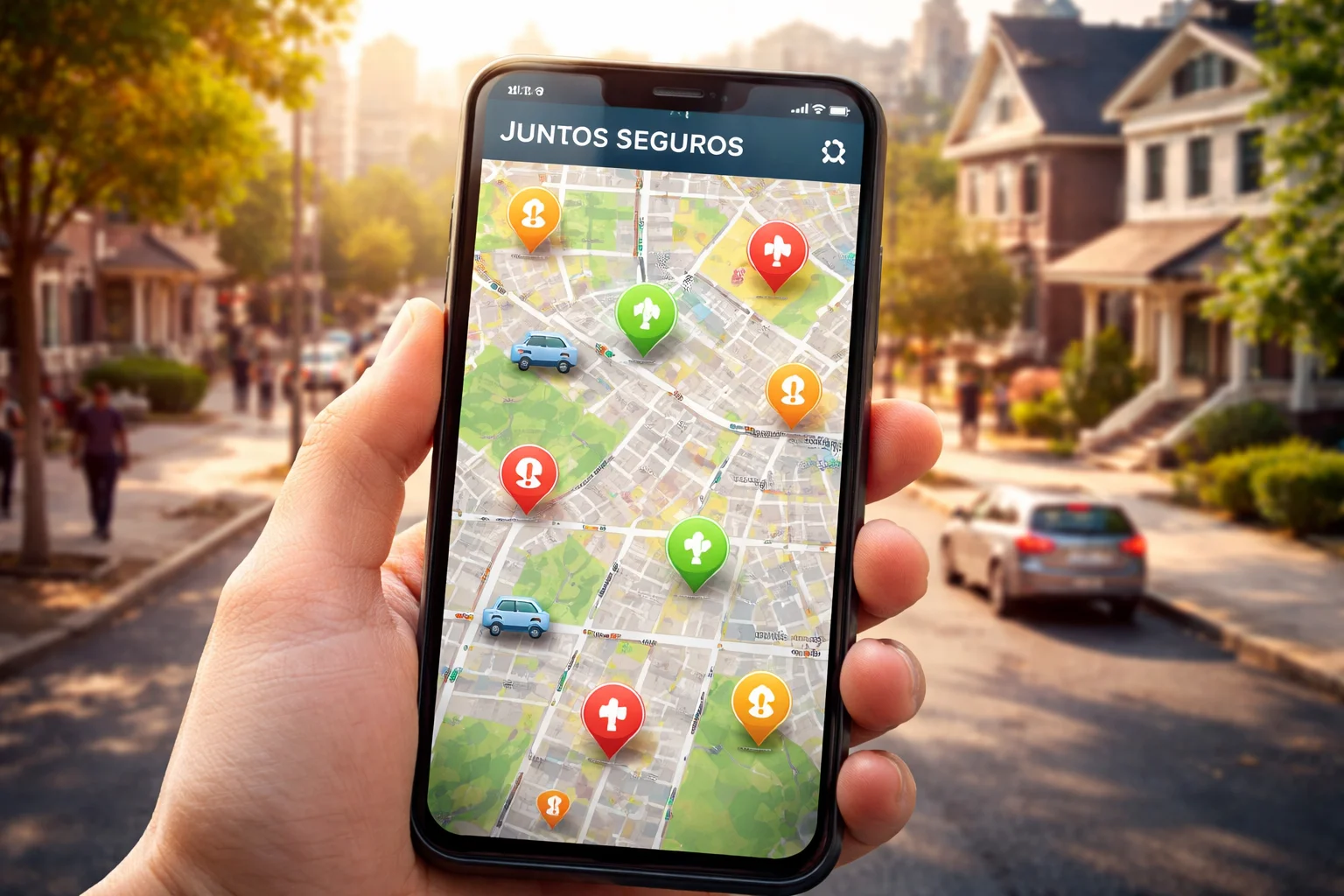
The Community Safety Map is designed to help people see safety-related reports and alerts in their area.
It is not meant to replace emergency services or official government channels. Instead, it acts as a community awareness tool.
People use it to:
- Stay aware of local activity
- Avoid areas with reported incidents
- Share information with family and neighbors
It is especially useful for individuals who may feel vulnerable or unsure about what is happening around them.
How Accurate Is the Community Safety Map?
Accuracy depends on where the information comes from and how it is verified. The map typically combines community reports, user submissions, and in some cases, data from partner organizations.
It is important to understand that this is not a police database. It reflects reported activity, not confirmed legal actions.
Where the Map’s Data Comes From
Community Reports
Many updates come directly from people in the community. These can include sightings, alerts, or warnings shared by users.
This makes the map responsive, but it also means:
- Information may be incomplete
- Details may vary in quality
- Not every report is verified immediately
Partner and Network Sources
Some data may come from organizations, advocacy groups, or local networks that monitor community activity. These sources often add more reliability, but they still rely on real-world reporting.
User Submissions and Tips
Users can submit information through forms or alerts. This helps the map stay current, but it also introduces human error. That is why it is always best to treat map information as situational awareness, not absolute fact.
How Often Is the Map Updated?
Updates are usually ongoing and event-driven. This means new reports appear when people submit them, not on a fixed schedule. In active areas, updates may happen multiple times a day. In quieter areas, the map may stay unchanged for longer periods.
What “Real-Time” Really Means
Many users assume “real-time” means instant confirmation. In reality, it usually means:
- Reports are posted soon after submission
- There may be short delays for review or moderation
- Some entries may be removed if found inaccurate
This is normal for community-based tools.
How Verification and Moderation Work
Why Moderation Matters
Without moderation, false reports could spread panic. Basic review steps help reduce misuse and misinformation.
What Gets Reviewed
Moderators may check:
- Duplicate reports
- Clearly false information
- Inappropriate or misleading content
Not every report is deeply investigated. The goal is to reduce obvious errors, not to act as law enforcement.
Common Misconceptions About the Map
“Everything on the map is confirmed”
This is not true. The map shows reported activity, not official confirmations.
“If it’s not on the map, it didn’t happen”
Also not true. Many incidents are never reported by users.
“The map predicts future activity”
The map does not predict. It only reflects what has been reported.
How Reliable Is It for Daily Use?
The map is most reliable when used as:
- A general awareness tool
- A way to spot patterns
- A supplement to other information sources
It should not be the only thing you rely on for safety decisions. Think of it as a neighborhood radar, not a legal record.
How to Use the Map Safely and Wisely
Check Multiple Sources
If something on the map concerns you, try to:
- Talk to neighbors
- Follow local news
- Contact community organizations
This helps you get a clearer picture.
Avoid Panic Decisions
A single report does not always mean immediate danger. Look for patterns, frequency, and location context.
Share Responsibly
If you submit information, be clear and honest. Avoid rumors, assumptions, or emotional language. This helps keep the map useful for everyone.
Why Updates Can Sometimes Be Delayed
Delays can happen because:
- No one reported the incident
- Moderation is in progress
- Technical issues
- Limited local participation
This is not a failure. It is a reality of community-driven platforms.
How Juntos Seguros Approaches Trust and Transparency
Juntos Seguros aims to create tools that support communities, not replace authorities.
The focus is on awareness, mutual support, and shared responsibility.
When the platform mentions safety data, it is usually framed as informational, not definitive. This helps users make better personal decisions without creating false certainty.
What You Should Do If You See Incorrect Information
If you notice something wrong:
- Use the report or feedback option
- Provide clear details
- Avoid public arguments or speculation
Corrections help improve the system for everyone.
FAQ
Is the Community Safety Map connected to police or government systems?
No. It is a community-based awareness tool, not an official law enforcement database.
Can I rely on the map to know if my area is “safe”?
The map can help you stay informed, but it should not be your only source of information.
How quickly are new reports added?
In many cases, updates appear shortly after submission, but some may be delayed for review.
Final Thoughts
The Juntos Seguros Community Safety Map is best understood as a shared awareness platform. Its strength comes from community participation, not official authority. That means it can be helpful, timely, and relevant, but it also means it is not perfect.
Use it to stay informed, not alarmed. Combine it with local knowledge, common sense, and other trusted sources.
When used thoughtfully, it can be a valuable part of staying aware and prepared in your community.